

Gym Equipment For Legs
There are a variety of equipment available at the gym that will aid in strengthening the legs. They could include a leg press that focuses on the quads, based on the position of your feet in the position and an abductor for the hips which targets the thighs' outer edges.
These pieces of equipment could be intimidating for newbies. Don't fret. They're super easy to use.
Leg Press
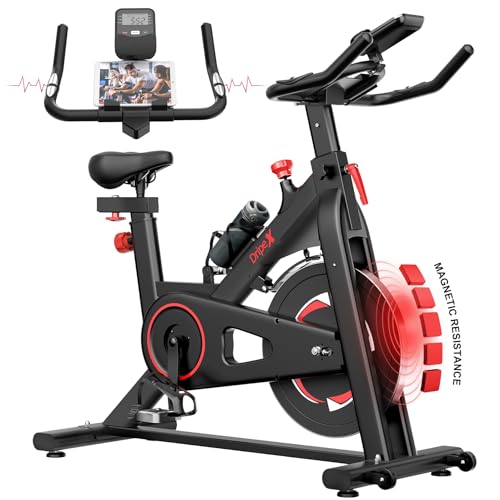
Leg presses are a standard part of the gym, which helps build crucial muscles of the lower body. It is often utilized in conjunction with a leg-strengthening program or in the form of a machine-circuit exercise. If done correctly this exercise can dramatically increase your strength and help develop the hamstrings, quads and gluteus muscles of your legs.
fitness equipment comes with seating for your body and flat surfaces for your feet which you push away from the body. The platform is usually supported by a stack of weights of various resistance levels. Different gyms offer different leg presses like a horizontal leg press (where you sit straight and push the platform forward) or a leg-press that is 45 degrees (where the seat is reclined at an angle, instead of being vertically).
A 45-degree machine tends to place a little less weight on the quads and a bit more emphasis on the glutes than a horizontal leg press, but both are effective in building strong legs. No matter which one you pick, it's essential to begin with lighter plates and gradually add more as your fitness level improves. Be careful not to extend your legs when pushing the footplate. This can result in injury and put too much stress on your joints.
Leg presses can be challenging for those who are new to the sport but they're an essential option for those who wish to build their strength. They can be done safely with a heavier weight than most other exercises. They also have an added benefit of increasing bone density to prevent osteoporosis.
Leg press is a fantastic exercise for strengthening the legs. Combining it with other compound exercises such as deadlifts or squats will aid in gaining strength and bulk. And check it out -press world records set by athletes like Ronnie Coleman and William Cannon motivate strength athletes across the globe to continue pushing the limits of their abilities.
Hip Abductor Machine
The hip abductor machine is a well-known piece of gym equipment that is used for creating a shapely inner thigh. The hip abductor machine is designed to target the muscles of the hip adductors. They run from your outer hip to your inner thigh and are responsible for the ability to move your legs away from your body. It's important to have strong hip adductor and abductor muscles because they help you maintain good balance and stability. They also help with lower-body strength.
There are however more effective methods to work these muscles without the use of an abductor machine for the hips. Instead, stick with practical exercises like lunges or squats, advises Aaron Brooks, a biomechanics expert and the owner of Newton, Massachusetts-based Perfect Postures. "If you're doing a lunge or squat both of them focus on the abductor and adductor muscles, but in a more natural movement," Brooks says. "There's a greater dynamic load that they carry exercises, which can aid in preventing injuries."
In addition being capable of walking on one leg, having a strong pair of hip adductor muscle helps you perform a variety athletic and everyday movements. You need them to do sidesteps, raise your leg for a squat, or climb stairs. They are also needed when you sprint and push off with your legs. Weak hip abductor and adductor muscles can cause instability in the lower back and pelvis.
It might sound counterintuitive, but doing hip abduction exercises in order to build an extra tummy is an unwise thing. Although it does help but it's better to focus on strengthening the glutes and enhancing hip stability.
The hip abductor muscle is a large triangular-shaped muscle that extends through your thigh bone to the top of your knee. It is crucial for hip movement, stability and rotation. It also plays a part in the lateral knee extension and thigh flexion, hip rotation and supporting knee flexion. A few small muscles, such as the piriformis and tensor fascia latae, assist in hip abduction, too.
Calf Raise
Calf raises are a simple exercise that can be done in a variety of ways. This allows you to target different muscle groups or increase the intensity. Although it's more an isolated exercise than a compound exercise (which is a way to work multiple muscles at the same time), calf raises can aid in improving strength, balance and posture.
The most basic form of the calf raise involves standing on the soles of your feet and pushing off using your toes, and then lifting your heels off of the ground. This is a low-impact, simple exercise that is perfect for beginners or those recovering from lower leg injuries.
Standing calf raises, performed in a full-range motion, strengthen the lower leg muscles. They also promote the proper gait and increase running efficiency. The exercise also targets muscles that provide stability and balance, which is important for preventing injury. To increase the intensity of this movement, utilize a step or raise your heels off the floor using free weights.
As you gain strength and stronger, the calf raise could become an essential exercise for recovery from running-related foot and heel injuries, such as Achilles tendinitis and plantar faciitis. It's often recommended that calf raises are performed following a workout, since it assists muscles recover from the stresses and strains that you've put on them during your run.
The calf-raise blocks are versatile gym equipment that allows for more stable and controlled seated or standing calf-raises. It helps avoid a common mistake that many exercisers make when doing standing calf raises that is shifting their weight around or bending backwards or forward when they raise and lower their heels. The calf raise block helps to minimize the chance of this by keeping your knees in line with your feet.
You can also add some resistance by doing calf raises using an incline bar across your traps on an Smith machine. Weight can increase the intensity and push muscles even further. Advanced techniques for training, such as using pauses at the top of the exercise or using a slower descent can increase the intensity of the movement and allow you to achieve the best results.
Leg Extension
Leg extension machines are a different lower body exercise that can help build great quads. This exercise targets the quads by dragging a lever with your lower leg from a seated posture. This exercise will work the vastus (which passes over the knee joint), and the rectus (which runs over the hip and leg joints).
It is important to maintain good posture when you extend your leg. It is essential to keep a good posture throughout the leg extension. To prevent this from happening ensure that you sit straight and hold the hand bars (if they are fitted). Keep your back against the seat and your knees lined up with the fulcrum of the lever. Extend Best workout equipment for home until they are straight and then slowly return to your starting position.
You can add rest pauses to your leg extension routine if you are doing many repetitions. You can perform several more repetitions after you've stopped for a few seconds and rested for 2 or 3 seconds. This will not only assist to improve the quality of your workouts, but also to help improve recovery time between sessions and to maximize the results of your workouts.
Leg extension is an excellent exercise to include in your strength training routine. The quads are very strong muscles. It helps build power and size in the quads which can translate to better performance for sports like running cycling, basketball football, and more. Additionally strong quads will boost the overall strength of your lower body and performance. This will be particularly useful for older people who want to maintain their balance and strength as they age. This is because stronger quads aid in improving hip and knee stability while increasing lower body coordination.